


As the world’s gaze turns increasingly towards Africa; a continent teeming with diversity, potential, and complexity, it is evident that Africa is undoubtedly a continent on the cusp of a renaissance.

A recent study claims that Africa’s potential workforce will likely be larger than Asia’s by the end of the 21st century. A fast-growing economy driven by several factors, including urbanisation and modernisation, increased awareness of security issues, technological advances, and the expanding middle-class population, Africa requires robust and innovative approaches to the physical security industry.
The North African physical security market alone is anticipated to hit US$ 835,8 million by 2028, growing at a CAGR of 6,7% over the forecast period of 2019-2028. This transformative wave of innovation is reshaping the way industries and organisations protect their assets and secure their spaces.
Africa’s unique demographic and diverse socio-economic landscape demand biometric access control and workforce management solutions tailored to the continent’s specific needs. Authentication, identity verification, visitor management, and time and attendance for the large, blue-collared workforce are some must-have additions to the physical security ecosystem in organisations and industries, big or small. Let us delve deep into some of the emerging technologies reshaping Africa’s security landscape.

Rugged biometric solutions
The adoption of biometric solutions, such as face recognition and fingerprint recognition, has gained significant momentum in the African market as these technologies offer a secure and convenient means of identifying individuals, reducing the risk of unauthorised access. Africa is one of the most important mining regions in the world, producing significant quantities of crucial mineral commodities. Off-the-shelf biometric solutions do not work in harsh and challenging environments as these demanding locations disrupt biometric accuracy.
Such industries require rugged and powerful biometric access control solutions that can withstand severe weather conditions. It is essential to look for features that ensure durability, such as high-end materials, scratch-resistant glass and metal, and heat sinks.
Efficient workforce management
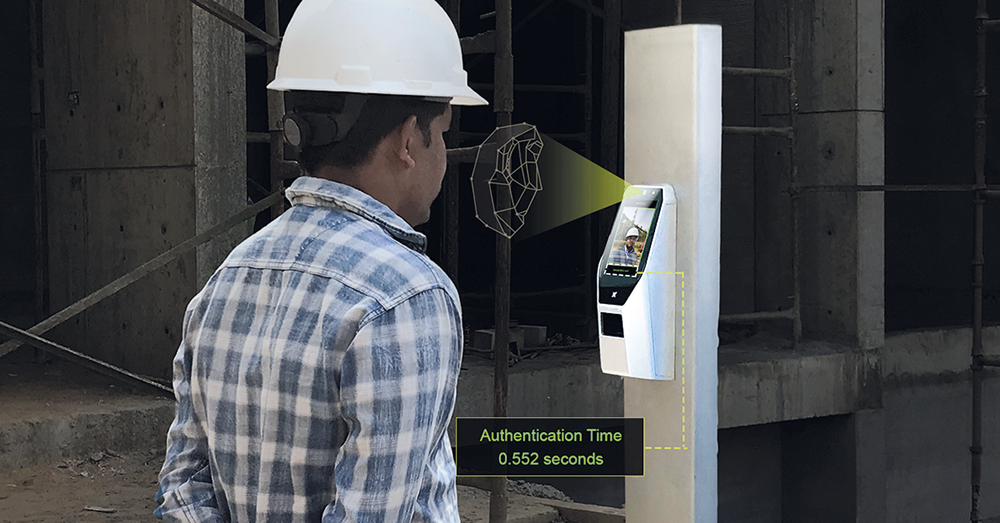
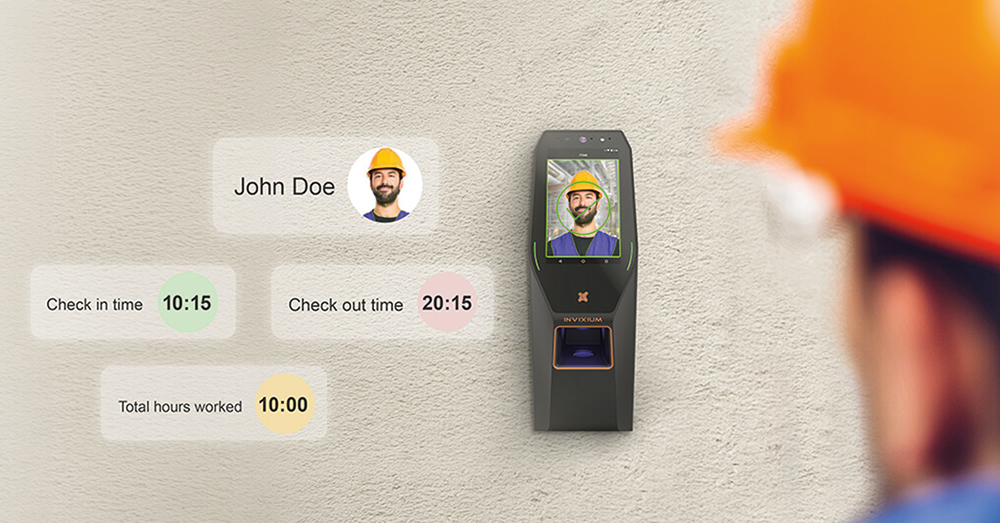
Blue-collar workers form a significant part of Africa’s workforce, essentially deployed in the mining sector, seaports, construction sites, and energy plants. Biometric workforce management solutions offer functionality that antiquated security systems cannot compete with. These solutions help limit buddy-punching, boast comparably high throughputs versus card readers, and prevent intentional and unintentional time theft; saving businesses time and money year over year.
Additionally, high-level biometric solutions with modern features provide a time-tracking solution that allows staff to keep protective wear on – including glasses or goggles and hard hats.
Mobile access control
The use of smartphones for access control is another emerging trend in the African market. With an increasing number of young individuals embracing digital technologies, smartphone adoption is forecasted to soar to 87% in sub-Saharan Africa by 2030. As a result, businesses and institutions are exploring options for integrating mobile access control into their security infrastructure, thus making access control more efficient and user-friendly. Using QR codes or digital smart card access control systems offers increased security compared to traditional plastic cards.
Video surveillance integration
Integration with a dedicated video surveillance software provider brings several benefits to businesses that rely on both video and access control solutions for their security operations. Such integrations allow video recording or surveillance to be initiated when a designated event occurs on access control devices. This combination offers a comprehensive security solution by enabling organisations to not only control access, but also monitor and record all activities in real time.
In high-risk areas or industries like mining, manufacturing, and seaports, video surveillance integration enhances situational awareness and deters criminal activity; enabling security personnel to make swift and informed decisions in critical situations.
Multi-factor authentication
Multi-factor authentication offers a robust layer of protection. Incorporating multi-factor authentication using any combination of face recognition, finger vein, and fingerprint biometrics; as well as mobile credentials, including digital cards, dynamic QR codes, and traditional credentials such as cards and PIN, can safeguard sensitive data effectively.
Another fast-growing industry in Africa is the banking sector, which can benefit from the adoption of MFA. The banking sector has many unique challenges, especially regarding the security level required for access control. Unlike many companies that have a single access level for all employees, banks will need to have a much more complex system in place. With biometric solutions that offer multi-factor authentication, creating and managing vital delineations in staff access can be far easier.
Integrated solutions for estate security
Estate security often involves managing access for visitors, contractors, domestic workers, and deliveries. To address these various activities, estate communities require a holistic approach to security. The integration of access control systems with other security and building management systems offers a comprehensive approach that includes video surveillance, intrusion detection, and alarm systems. By bringing various security components together, security teams can streamline estate operations and enhance functionality.
In Africa, the tides of change are reshaping the historical narrative of the continent. With strong demographic growth across the continent, Africa is on the move, and by following along with the latest in physical security through access control and workforce management solutions, it can solidify and strengthen its ecosystem against unwanted security breaches, making it a burgeoning force in the modern world.






© Technews Publishing (Pty) Ltd. | All Rights Reserved.
 printer friendly version