


In a world where threats evolve as quickly as technology, organisations can no longer rely on outdated security measures. SMART Security Solutions examines how integrated alarm, intrusion, and perimeter security systems, from motion detectors to LiDAR and fibre-optic solutions, are transforming early warning capabilities.
It’s not about a single product; a layered approach to security not only tightens protection but also minimises downtime and operational risk. Moreover, integrating all the parts of a solution and first proving they can do the job before spending any money is critical, especially in an environment in which every vendor promises ‘lab-like results’ despite imperfect, wet and dusty environments these solutions often find themselves in.
But what does a ‘layered defence’ model look like in the real world, especially when there is no one solution for every environment?
Scott Wilson, divisional manager - Africa, at OPTEX, says an effective layered defence strategy begins with the understanding that no single security product can prevent every intrusion. “The goal is to create multiple, complementary layers of protection that provide early warning, positive detection, reduced nuisance alarms, and sufficient time for an effective security response.
“Traditional physical barriers such as walls and fences remain important as delay mechanisms; however, they should no longer be considered the primary means of protection. Modern criminals are increasingly sophisticated, and most barriers can be climbed, cut, tunnelled under, or breached using simple tools and techniques. These are also normally non-intelligent and non-electronic.”
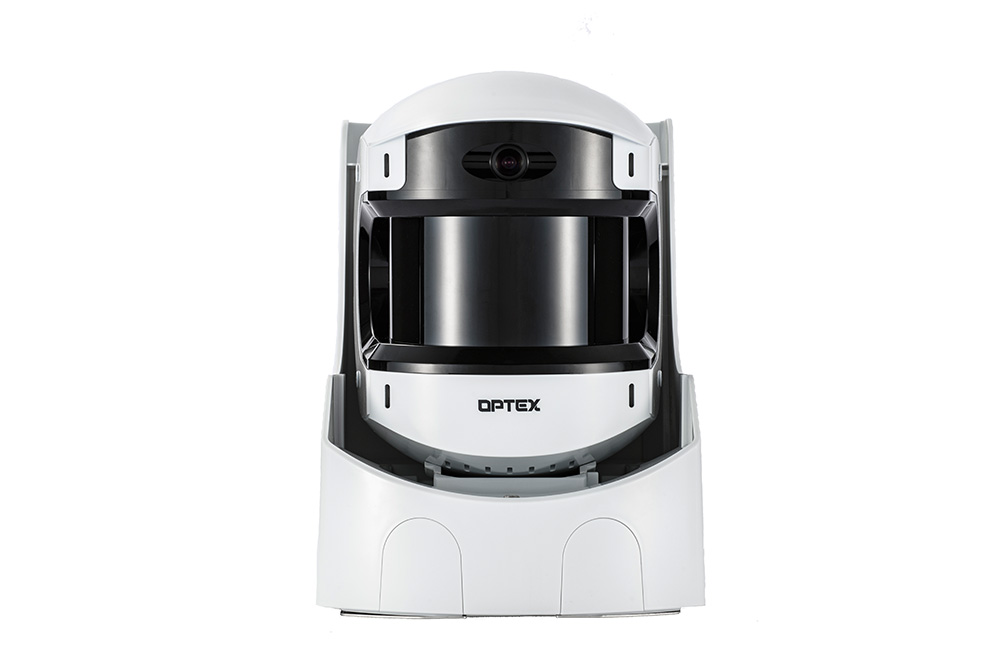
Starting with the outermost layer, he says it should, where possible, provide early warning beyond the physical perimeter. Technologies such as Radar and LiDAR can detect and track approaching threats before contact with a fence or wall, providing security personnel with valuable response time.
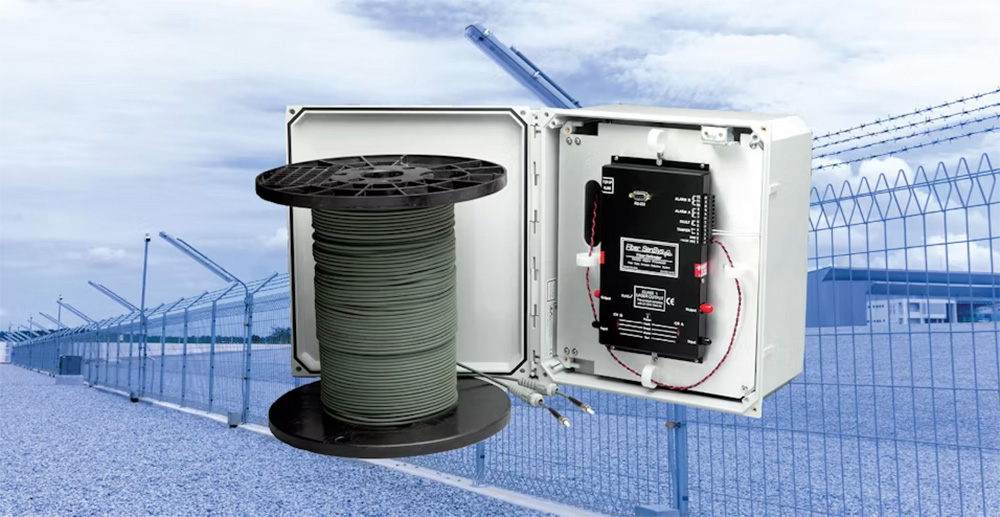
The next layer should focus on the physical barrier itself, where PID systems such as FiberSenSys can provide highly reliable detection of cutting, climbing, lifting, or breaching attempts with precise location information. This technology detects when a cut or break occurs, potentially saving money and providing an early warning.
By integrating video analytics with Radar, LiDAR, and fence-mounted PID systems, a ‘double-knock’ philosophy can be implemented, in which alarms are escalated only when two independent technologies confirm the same event. This significantly reduces nuisance alarms while increasing confidence in genuine intrusion attempts.
Ultimately, an effective layered defence solution combines smart detection technologies, physical delay, video verification, and rapid response. “A multi-layer approach using PID systems such as FiberSenSys, together with radar, LiDAR, and intelligent video analytics, delivers a robust and scalable security architecture tailored to the specific threats and operational requirements of any site,” states Wilson.
Not too little, nor too much
With all the technology available, including the much vaunted miracles that artificial intelligence (AI) can deliver - according to the salespeople - organisations must ensure they don’t go overboard with too much intrusion detection and prevention technology, which can complicate security processes and even increase false alarm rates if not integrated effectively. At the same time, using too little in the hope that technology will brilliantly catch everything is just as risky.
“I believe visual reliance is always over-engineered and too often laid out for maintenance SLAs,” says Wilson. “Visual technology is mostly set as the primary detection device and often the only detection device. Early intrusion is key, but not where the devices themselves become the target, i.e. on the fence line.
“Your primary detection should work under all conditions (considering seasons and environmental issues), and the SIs should not treat the manufacturer's brochure as the holy grail, relying on a single product solution to protect a site without knowing the limitations and potential intrusion points of the product.”
Similarly, they are ill-advised to keep using what they have always used simply because they are familiar with it, rather than considering newer, better technology. He adds that the most important aspect of any solution comes before products and solutions are discussed: a proper risk assessment is essential to understanding the client’s needs and operations.
Video plays an important role
Video is playing a greater role in security and operations in multiple industries, and it has also been deployed for perimeter and intrusion security. Wilson notes that video surveillance remains an important component of a modern security system; however, he says its primary value is increasingly shifting from deterrence to verification.
“Criminals are becoming more familiar with common security technologies and often understand the limitations of systems that rely solely on cameras, particularly where low-cost cameras, overpromised AI analytics, or insufficient camera coverage create blind spots and increase false alarms or missed detections. As a result, video should not be viewed as the primary intrusion detector, but rather as a critical verification and forensic tool.”
When integrated with dedicated intrusion detection technologies such as perimeter sensors, Radar, LiDAR, or fence-mounted systems, video provides visual confirmation of alarms, improves situational awareness, and assists with incident investigation. He says the combination of video and other intrusion technologies delivers a more accurate, reliable, and layered security solution than either technology can provide on its own.
Verify performance promises
It’s an old story, but technologies that perform wonders in the lab often end up as spectacular failures when deployed in a hostile environment. In Africa, environmental factors such as dust, weather, wildlife, and the occasional riot can affect real-world performance when you need it most.
Wilson says the risk of missing a positive intrusion and classifying it as a common nuisance alarm is a real-life issue. Security teams cannot rely on a single product, believing that being right 90% of the time is enough. Even if 90% accuracy is achieved, how many real intrusions are allowed to be mixed up in the imprecise 10%?
If control room operators are overloaded with numerous nuisance alarms, they can become complacent and ignore them. But what if one of them is not a false alarm? He says it is not humanly possible to manage large numbers of nuisance alarms in control rooms.
“The thing people don’t talk about is where certain products just don’t work in certain conditions, but still get sold as security,” Wilson adds. “Things like mist, rain, too much or too little light can easily prevent detections in certain products, creating missed positives.”
He says the trick is to understand which real-life environmental factors each system performs worst in, then use a combination of products that, when integrated, counteract these risks. “One product works well in the dark, or harsh light; another could work well in rain or mist. Knowing the strengths and weaknesses of the products in your layered solution is the key.
OPTEX offerings to market
Wilson says OPTEX is a security sensing innovation company. It manufactures products that work in a wide range of environments and applications, offering the best solution for the end user. Its technology stack includes:
● Outdoor short-range PIRs: high and low mount, digital and microwave PIRs.
● Long-range outdoor PIRs: 100 m, analogue or IP, wired or wireless.
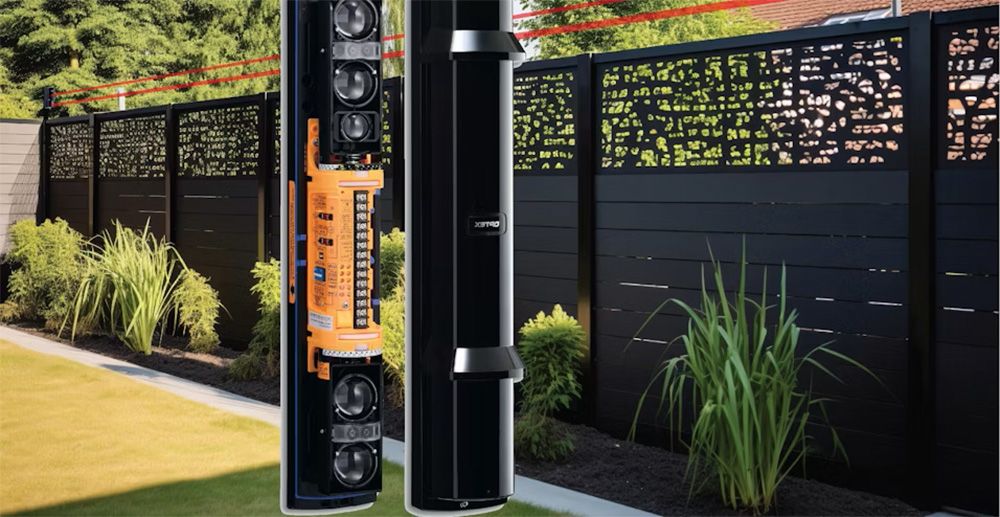
● Long-range quad IR beams: 100 m wireless and 200 m wired, stackable.
● LiDAR laser scanners: ‘the ultimate security detector’ 20x20 m, 30x60 m or 50x100 m. POE or 24 V, with outputs, integrated or stand-alone, low to no nuisance alarms and one of the only products that does not get affected by most environmental issues. Low to no nuisance alarms and no missed positives
● Radar: OPTEX offers portable directional radar with detection ranges from 100 m to 1400 m (380 acres) for people, up to 20 tracks, highly accurate, and perfect for early warning.
● Fibre detection: The company offers fence detection for all types of fences, from 50–2000 m, using Polymetric fibre units; it also offers DAS up to 100 km per unit.
“OPTEX has a +25-year history in SA and Africa with best-in-class detection and a well-known brand,” concludes Wilson. “With a proven track record in SA and around the world, OPTEX is now becoming a serious player in the commercial solutions market, not just in the domestic PIR market.”
| Email: | [email protected] |
| www: | www.optex-europe.com |
| Articles: | More information and articles about OPTEX |
| Tel: | +27 11 543 5800 |
| Email: | [email protected] |
| www: | www.securitysa.com |
| Articles: | More information and articles about SMART Security Solutions |
| Tel: | +27 11 543 5800 |
| Email: | [email protected] |
| www: | www.technews.co.za |
| Articles: | More information and articles about Technews Publishing |






© Technews Publishing (Pty) Ltd. | All Rights Reserved.
 printer friendly version