


ASP Fire is drawing attention to the significant fire risks in residential environments, stressing the importance of proactive fire-safety management at the household level. While fire protection in commercial and industrial sectors is highly regulated, domestic fire safety remains an area where risk is often underestimated.
“Fire risk in residential properties is frequently overlooked, yet the potential consequences are no less severe than in industrial facilities,” comments Michael van Niekerk, CEO of ASP Fire. “The same principles of fire prevention, detection, and suppression that are standard in industry should be applied, in a scaled manner, to the home environment.”
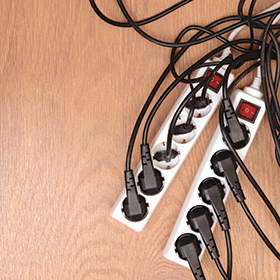
Key contributors to domestic fire incidents include compromised electrical installations, overloaded distribution boards, faulty appliances, open-flame devices, and inadequate housekeeping. Van Niekerk cautions that such risks, while often perceived as minor, create conditions where fire can ignite and spread rapidly. “The growth rate of a typical residential fire is exponential. Within three to five minutes, conditions can become untenable. Early detection and suppression are therefore critical.”
ASP Fire recommends a structured approach to residential fire risk that encompasses both engineering controls and behavioural practices. Measures include regular inspection and certification of electrical systems, installation of smoke detection and alarm devices, provision of portable fire extinguishers in high-risk areas, and development of clear evacuation procedures for occupants.
“Fire safety engineering is about more than compliance; it is about risk management,” stresses van Niekerk. “Applying proven methodologies at the residential level significantly enhances resilience and reduces the likelihood of catastrophic outcomes.”
For more information contact ASP Fire






© Technews Publishing (Pty) Ltd. | All Rights Reserved.
 printer friendly version