


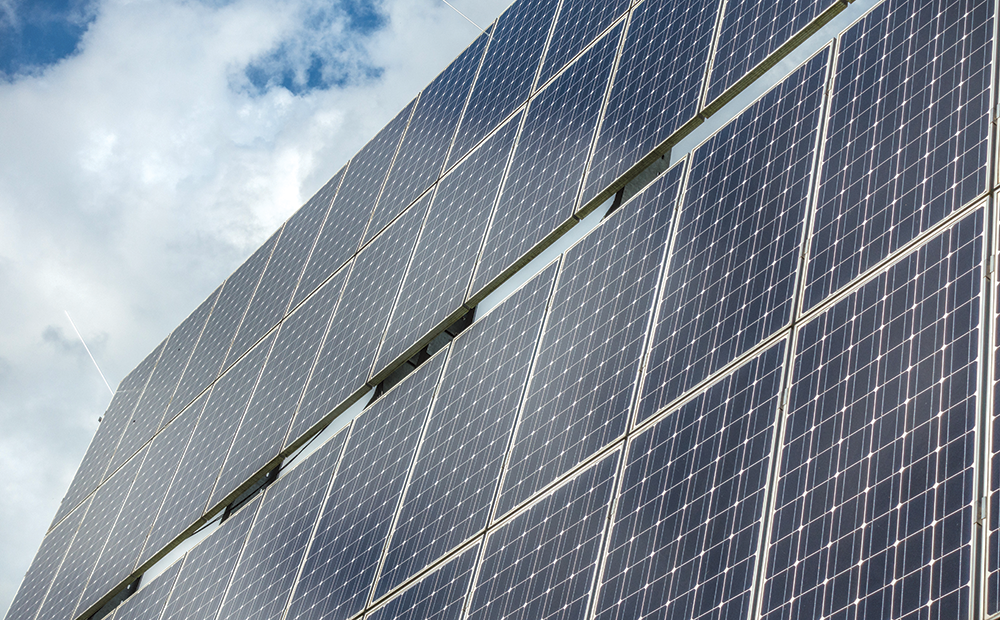
South Africa’s solar energy sector is witnessing unprecedented growth, with the South African Photovoltaic Industry Association (SAPVIA) reporting over 6200 MW of rooftop solar installed by early 2025, a 15% increase over the previous year.
This surge reflects the nation’s commitment to a sustainable energy future, but it also exposes a critical vulnerability: the widespread use of poor-quality solar cables. Reports indicate that one in six fires attended by South African firefighters is linked to substandard solar installations, often due to faulty wiring or incompatible components.
High-profile incidents, such as the 2023 fire at a communication company’s Cape Town headquarters, suspected to be caused by solar panel wiring, and a 2024 warehouse explosion in Durban, where arcing from substandard solar cables ignited flammable materials, have resulted in millions of rands in damages.
These events underscore the severe risks of electrical faults, overheating, short circuits and explosions, which can lead to property damage, injuries and even fatalities, threatening both public safety and the credibility of solar energy adoption.
The rapid expansion of solar installations has led to an influx of cheap, substandard cables, many of which are imported and fail to meet international standards like BS EN 50618 and IEC 62930, the latter adopted by the South African Bureau of Standards (SABS) as SANS IEC 62930. These standards are designed to ensure that solar cables can withstand the harsh African climate, characterised by extreme temperatures, UV radiation and humidity.
Lower ethics meets decreasing quality
However, irresponsible manufacturers often cut corners, using inferior materials that degrade quickly under environmental stress. Such cables are prone to insulation breakdown, which can lead to these arcing, overheating and fires hazards. The 2024 Durban explosion, for instance, was traced back to a substandard cable that failed to handle the electrical load, resulting in a catastrophic failure that ignited nearby materials. Beyond safety, these cables reduce the efficiency of photovoltaic (PV) systems, lowering energy output and compromising the financial viability of solar projects.
Solar cables are the lifeline of PV systems, transmitting power from panels to inverters and beyond. Their performance hinges on rigorous manufacturing standards and testing. Key tests outlined in international standards include thermal endurance to assess heat resistance, UV and weathering tests to ensure durability against environmental factors and ozone resistance to prevent insulation degradation.
Other tests include damp-heat testing to evaluate performance in humid conditions, dynamic penetration tests to measure mechanical resilience, voltage tests to confirm insulation integrity, and hot-set tests to verify the degree of cross-linking for thermal and mechanical stability.
Cables that bypass these tests, often sold as ‘solar cables’, but made with standard PVC insulation, lack the necessary durability, with lifespans far shorter than the 15 years expected of high-quality solar cables. This jeopardises safety and undermines the long-term reliability of solar installations, potentially deterring future investment in renewable energy.
Cheapest bid wins, unfortunately
The economic implications are equally concerning. Substandard cables lead to decreased conversion efficiency, reducing a plant’s ability to generate planned production outputs. For large-scale projects, this can translate into significant financial losses, while for residential users, it means higher electricity costs due to system inefficiencies.
Moreover, the cost of replacing failed cables and repairing damage from fires or electrical faults far outweigh the initial savings of opting for cheaper products. In a price-sensitive market like South Africa, the temptation to choose lower-cost options is understandable, but the adage ‘you get what you pay for’ rings true. Cables significantly below market average prices are often made with substandard materials, unable to withstand the mechanical and environmental stresses of solar applications.
Standards compliance is necessary
To mitigate these risks, buyers must prioritise cables that adhere to local and international standards, ensuring they have undergone comprehensive testing for safety and performance. Look for manufacturers with a proven track record of quality and compliance, offering transparency about their testing regimes and material specifications.
High-conductivity tinned copper conductors and cross-linked polyolefin (XLPO) insulation are hallmarks of durable solar cables, capable of withstanding the African climate. Additionally, opting for locally manufactured products can support South Africa’s economy, create jobs, and reduce reliance on imports, many of which fail to meet regulatory requirements. The SABS’s adoption of SANS IEC 62930 is a step toward stricter oversight, but until type-5 certification is available, due diligence falls on consumers and installers to verify compliance.






© Technews Publishing (Pty) Ltd. | All Rights Reserved.
 printer friendly version